

Regular Pumping and Care Keep Your System Working
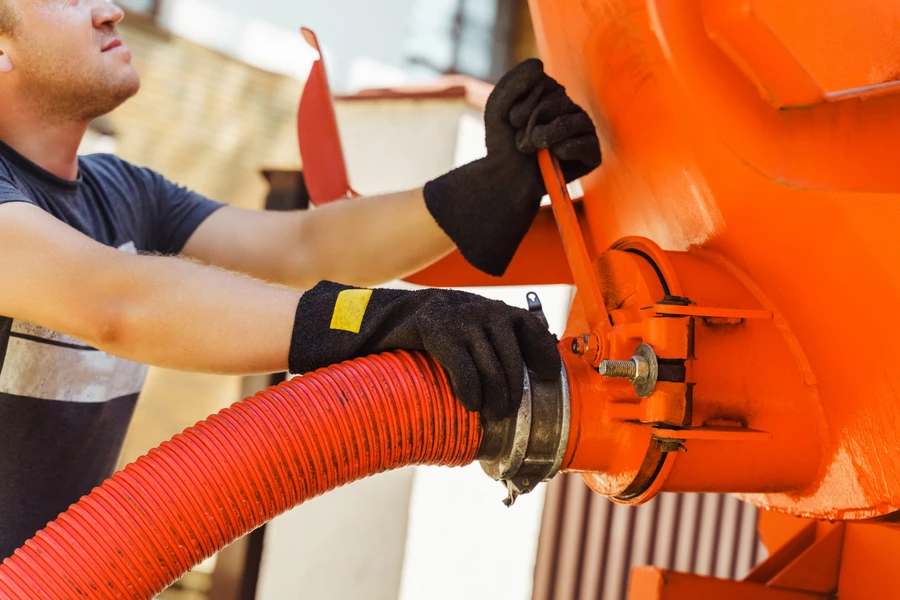
Routine septic tank cleaning protects your system by removing built-up solids before they clog pipes, damage the drain field, or cause messy backups. When your tank is pumped on a steady schedule, waste breaks down the way it should and water flows out safely. Without regular service, sludge and scum layers grow too thick. That extra buildup can push waste into places it does not belong, leading to costly repairs and health risks.
Why Prevention Matters
Your septic system works every day. Every shower, toilet flush, and load of laundry adds water and waste to the tank. Over time, solid waste settles at the bottom and oils float to the top. If septic tank cleaning is skipped, those layers get too large. Once that happens, solids can move into the drain field and clog the soil. A clogged drain field often means major repairs or even full system replacement, which can cost far more than routine pumping.
Early Warning Signs
Your system usually gives small hints before big problems start. Paying attention to these signs can help you act early and avoid damage.
- Slow drains in sinks, tubs, or showers
- Gurgling sounds in plumbing
- Bad smells near drains or outside by the tank
- Wet or soggy spots in the yard above the drain field
- Toilets that back up without warning
If you notice any of these issues, your tank may be close to full. A prompt inspection and cleaning can stop the problem from getting worse.
Seasonal or Routine Checklist
Sticking to a simple schedule keeps your system in good shape year-round. Most homes need septic tank cleaning every three to five years, depending on household size and water use. Mark service dates on your calendar. Keep a record of pumping visits and any repairs. Watch your water usage during heavy seasons, like holidays when guests stay over. After large gatherings, be mindful of how much water you send into the system for a few days.
Best Practices for Long-Term Results
Small habits make a big difference over time. Spread out laundry loads during the week instead of washing everything in one day. Fix dripping faucets and running toilets quickly. Only flush human waste and toilet paper. Items labeled as flushable can still cause clogs in a septic system. Use cleaning products in moderation, since harsh chemicals can upset the helpful bacteria inside the tank. Protect the drain field by keeping cars, heavy equipment, and large structures off that area.
What Not to Do
Many septic problems start with simple mistakes. Do not pour grease, oil, or food scraps down the drain. Grease hardens and adds to the scum layer. Avoid planting trees with deep roots near the tank or drain field, since roots can crack pipes. Do not ignore standing water in your yard. Some homeowners try store-bought additives instead of pumping, but these products cannot remove solid waste. Skipping professional septic tank cleaning in favor of quick fixes often leads to bigger repair bills later.
When to Schedule Professional Help
Even if you do not see warning signs, schedule regular septic tank cleaning based on your household size and tank capacity. A larger family may need service more often. If you buy a home with a septic system, have it inspected and pumped if you are unsure of the last service date. After heavy rain or flooding, it is also smart to check the system. A trained technician can measure sludge levels, inspect baffles, and confirm that your septic system is working as it should.
Protect Your System With Trusted Local Help
If you want reliable septic tank cleaning in Golden, CO, we are ready to help. At Doone Brothers Sewer & Septic Services, we handle pumping, inspections, and routine maintenance with careful attention to detail. Call us at (303) 898-6066 to set up service or ask questions about your system. We work hard to protect your property and keep your septic system running smoothly for years to come.